IN-PERSON CONFERENCE

From Foundation to Future: 40 Years of Assessment, Treatment, Response, and Prevention

Tuesday, Oct. 20, 2026 | Best Western Royal Plaza, Marlborough, MA

Our in-person conference day offers specialized workshops on a variety of topics relating to problem sexual behavior in children and youth. The conference has a range of workshops for those already specializing in this practice area as well as professionals and students looking to learn more about this topic and population of young people.

Contact registration@masoc.net with any questions.

Registration Information

Early Bird Registration – through Sept. 30

Virtual Day: $105
In-person Day: $200

Standard Registration – begins Oct. 1

Virtual Day: $120
In-person Day: $230

Student Rate

Virtual Day: $50
In-person Day: $65

For current students. Email registration@masoc.net from your .edu email for the student discount code.

Group Rate (5+)

Agencies or organizations registering 5+ people receive 10% off. Email registration@masoc.net with your group members’ names to receive your group discount code.

Agenda: Tuesday, October 20

All sessions are held at the Best Western Royal Plaza in Marlborough, Mass. There is no online option for this day of the conference.

Each workshop below is labeled with the target age group and the suggested audience practitioner level(s):

  • Introductory – appropriate for someone new to the field, population, or topic.
  • Intermediate – presumes some baseline knowledge of or experience with the population or topic being discussed; there may be a refresher explanation but it will not be the core focus of the session.
  • Advanced – presumes significant prior knowledge and experience with the population or topic being discussed.

8:30 – 9:00

REGISTRATION AND BREAKFAST

9:00 – 9:15

WELCOME

9:15 – 10:15
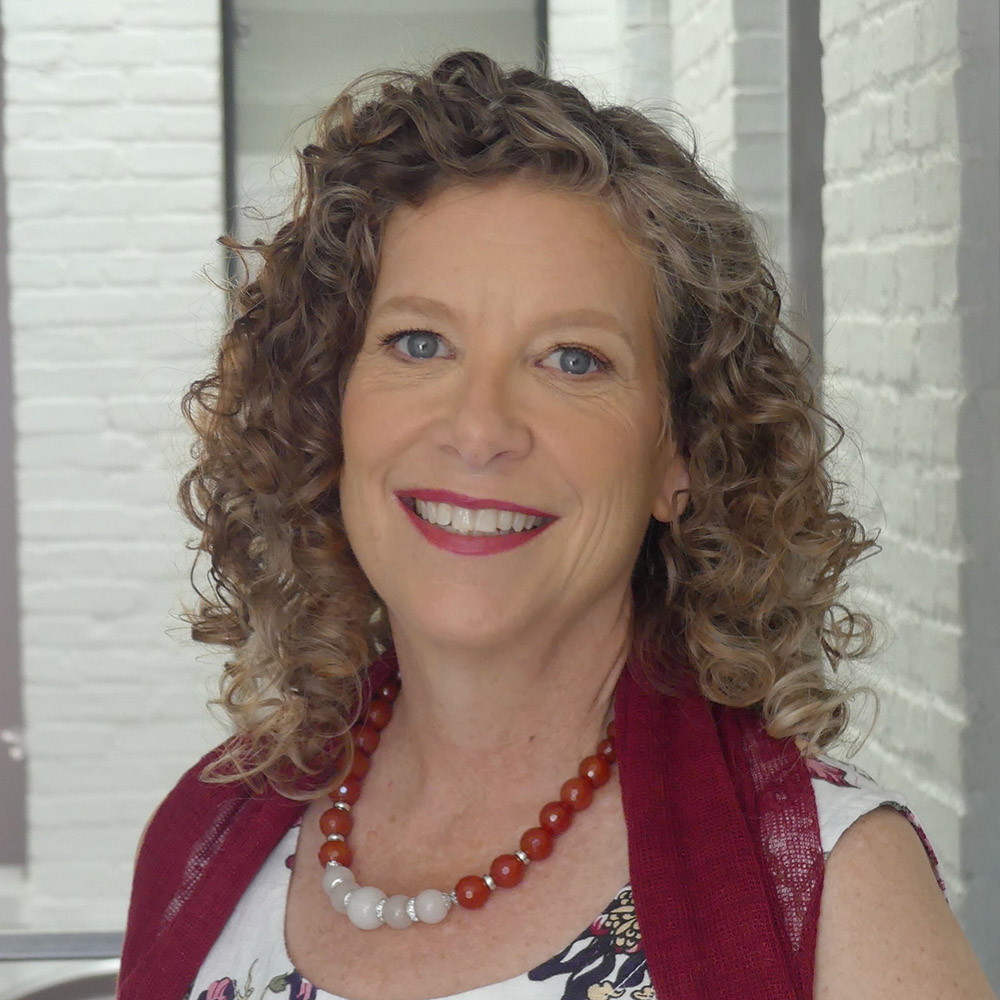
KEYNOTE: Aligning research, policy, and public investment to impact rates of child sexual abuse at the population level: Tales from a success story
Jennie Noll, PhD

Sexual violence against children remains widespread, with an estimated 18% of females and 14% of males experiencing sexual violence in childhood, while prevalence rates have remained stubbornly unchanged since the 1990s. Despite its profound health consequences and enormous public costs, few overarching policies have meaningfully prioritized resources for viable prevention solutions. The evidence base for large-scale investment in primary prevention has been limited, and national taskforce reports have repeatedly characterized existing prevention efforts as insufficient to change population-level prevalence.

A recent controlled trial in Pennsylvania offers an important exception—and a reason for optimism. This community-wide, multisector approach was associated with a significant decline in population-level rates of child sexual abuse.

This keynote will examine the design, implementation, and evaluation of that research, alongside an empirical model of research-to-policy collaboration that helped catalyze subsequent policy change. Together, these experiences illustrate how rigorous research, cross-sector collaboration, and sustained public engagement can move prevention from aspiration to action. In a time of collapsing infrastructures and dwindling assets, this work offers a path toward evidence-informed policy and practice that strengthens communities, supports survivors, and helps keep children safe.

About Dr. Noll
Jennie Noll, PhD is a Professor of Psychology and Executive Director of Mount Hope Family Center (MHFC) at the University of Rochester. For the past three decades, Dr. Noll has been conducting research to strengthen causal inference regarding the developmental and biologic impacts of child abuse and neglect. Her primary research foci include: the bio-psycho-social consequences of childhood sexual abuse, pathways to teen pregnancy and high-risk sexual behaviors for abused and neglected youth, the long-term adverse health outcomes of abuse survivors, midlife reversibility of neurocognitive deficits in stress-exposed populations, the impact of high-risk internet and social media behaviors on teen development, and the primary prevention of sexual abuse. Results from several of Dr. Noll’s longitudinal studies are published in high-impact journals such as Nature and JAMA series and have informed public policy recommendations for child abuse prevention and treatment by Joint State Government Commissions, the Institute of Medicine, the World Health Summit, and for several U.S. Congressional briefings and hearings. The thrust and aims of Dr. Noll’s research, centers of excellence, and infrastructure grants leverage translational messaging from cutting-edge science to aid evidence-informed policymaking focused on imploring a larger public investment in the primary prevention of child maltreatment and in improving the lives of survivors.

10:15 – 10:45

BREAK

10:45 – 12:15

WORKSHOP SERIES A

A1: Facilitating Comprehensive Sex Education for Young People Engaging in Problematic Sexual Behaviors
Jane Fleishman, PhD, MEd, CSE and Karen Rayne, PhD, MEd, CSE

Ages: Adolescence, Transition-age Young Adults
Practitioner Level: Intermediate

Clinicians and educators working with young people engaging in PSBs rarely receive training in comprehensive sexuality education, yet it is essential to successful community reintegration. Sexuality and pleasure are part of development. Rather than ignoring sexuality, teaching young people who have hurt others how to manage their past while also respecting others’ experiences is an integral part of prevention. Fortunately, there are now resources for professionals to teach young people how to create healthy, mutually agreed upon, consensual relationships. In this unique and highly interactive workshop, we offer research, insights, and accessible tools to incorporate sexuality education into your work.

About Dr. Fleishman

Jane Fleishman, PhD, MEd, MS, is a writer, an award-winning educator, sexuality researcher, and AASECT Certified Sexuality Educator. She is on a mission to promote sexual wellness and doesn’t shy away from difficult and complex realities of making that happen. Her curious nature led to her to co-write Facilitating Sexuality Education for Young People Engaging in Problematic Sexual Behaviors. She co-hosts a regular podcast on sex, Our Better Half.

About Dr. Rayne

Karen Rayne, PhD, CSE, has worked in education for the past two and a half decades with a specialty in comprehensive sexuality education across the lifespan. She is Co-Founder and Director of Education for UN|HUSHED, where she writes and edits books and lifespan comprehensive sexuality curricula, trains sexuality educators, and builds collaborative coalitions.

A2: The Butterfly Effect Program: Cultivating Safe Spaces to Promote Childhood Wellbeing
Lacye Day, MS and Sydney Katayama
Ages: Early Childhood, Latency
Practitioner Level: Introductory
The Butterfly Effect Program is the child abuse and sexual violence prevention initiative of the Arkansas Coalition Against Sexual Assault. The program addresses both violence perpetration and victimization through early intervention strategies with age-appropriate material for early childhood. The program addresses children’s behavior with other children by working with both adults in children’s lives and children themselves to create social norms that encourage empathy and acceptance while discouraging behaviors that may lead to violence. The program features lessons with corresponding books and activities, which target skills and concepts like empathy, boundaries, permission and consent, and emotional regulation.
About Lacye Day, MS
Lacye Day serves as the Prevention Director for the Arkansas Coalition Against Sexual Assault (ACASA). She collaborates with other professionals under the Center for Disease Control’s Rape Prevention Education Program to advance prevention initiatives across the state. Outside of her professional responsibilities, she enjoys art, theatre, and video games. She is dedicated to breaking down barriers and creating safer environments where everyone can thrive.
About Sydney Katayama
Sydney Katayama serves as the Prevention Specialist at ACASA. In her role, she works directly with youth who are affected by violence. Sydney creates safe spaces for these young people to engage in challenging conversations. Additionally, she implements ACASA’s The Butterfly Effect Program in the state, ensuring a safe start for children in Arkansas. When she is not working, Sydney enjoys spending time with her family and pets.

A3: Cross-Cultural Perspectives on Treating Adolescents Who Have Sexually Abused
Alejandro Leguízamo, PhD and Natalie Villeneuve, MSW, RSW | Moderated by David Prescott, LICSW

Ages: Adolescence, Transition-age Young Adults
Practitioner Level: Intermediate

Engaging people in treatment begins with understanding where they come from. This panel discussion explores the process of working with adolescents and their families after sexual harm has occurred. After a brief introduction, David Prescott will moderate discussion with Ms. Villeneuve and Dr. Leguízamo. Topics to be discussed include:

  • Considerations in discussing sex and sexuality across different cultural backgrounds
  • Treatment approaches to consider when working cross-culturally
  • Understanding differences in gender roles across treatment
  • Considerations of holistic and trauma-informed care from a First Nations perspective

This workshop will include both brief presentations and audience Q&A.

About Dr. Leguízamo
Alejandro Leguízamo, PhD, has been active in the sex offending field for more than two decades as a researcher, clinician, and evaluator. He is a former Clinical Director of the Sex Offender Treatment Program at the Massachusetts Treatment Center, where he also provided treatment to Spanish-speaking inmates and civilly committed men. He is currently a Professor of Psychology at Roger Williams University in Rhode Island.
About Natalie Villeneuve, MSW, RSW
Natalie Villeneuve, MSW, RSW, is a private practitioner in the Toronto area, where she has established a trauma-informed therapeutic practice. Her background is in working with adolescents who have sexually abused and she remains passionate about culturally competent practice with people of Indigenous ancestry. In 2024, she completed certification in Land-Based Focusing-Oriented Therapy with Dennis Windego through programming coordinated by Grandmother’s Voice, an organization with whom she actively volunteers.
About David Prescott, LICSW (Moderator)
A mental health practitioner of 40 years, David Prescott, LICSW, is the Director of the Safer Society Continuing Education Center. He is the author and editor of 25 books in the areas of understanding and improving services to at-risk clients. He is best known for his work in the areas of understanding, assessing, and treating sexual violence and trauma.

A4: Vibe Check: A Youth-Led, Non-Punitive Digital Tool for Reflection, Accountability, and Harmful Sexual Behavior Prevention
Drew Davis, MPH, MPA

Ages: Adolescence, Transition-age Young Adults
Practitioner Levels: Introductory, Intermediate, Advanced
An adolescent who worries they may have crossed a line, pressured someone, or caused sexual harm has few places to turn for support. Vibe Check is a free, anonymous, youth-created tool from SafeBAE, a survivor-founded, youth-led national organization, that guides young people through nonjudgmental reflection on consent, coercion, harm, and accountability. This workshop will share why Vibe Check was created, how youth and survivor-centered principles shaped its development, demonstrate how the tool works, and discuss early utilization insights and potential uses in prevention, education, advocacy, and early intervention.
About Drew Davis, MPH, MPA
Drew Davis is Director of Health Equity & Strategic Initiatives at SafeBAE. His work centers on designing interventions that are accessible, non-judgmental, and responsive to the real contexts in which young people make decisions. He holds an MPH and MPA from Brown University.

12:15 – 1:15

LUNCH

1:15 – 2:45

WORKSHOP SERIES B

B1: Bridging the Gap: A Multidisciplinary Approach to Student Safety and Success
Paige Brown, MSM

Ages: Early Childhood, Latency, Adolescence, Transition-age Young Adults
Practitioner Level: Intermediate
This training is designed for professionals engaging with youth who have caused sexual harm to bridge the gap between victim/community safety and support. This training provides a clear framework for engaging school professionals in multidisciplinary teams to support youth who have engaged in sexual harm to remain in school as a protective factor. The session will discuss the necessary tools to respond appropriately, focusing on student welfare and community safety.
About Paige Brown, MSM
Paige Brown, MSM, serves as the Juvenile Standards Implementation Specialist for the Colorado Sex Offender Management Board. Ms. Brown’s professional trajectory has been dedicated to the fields of victim services and juvenile justice. In her current capacity, she facilitates training and provides technical expertise regarding the Standards and Guidelines for Juveniles Who Commit Sexual Offenses to statewide stakeholders.

B2: The Same Risk Factors, a Different Warning Sign: Trauma, Problematic Sexual Behavior, and Firesetting
Anthony Campagna, PhD

Ages: Early Childhood, Latency, Adolescence, Transition-age Young Adults
Practitioner Levels: Intermediate, Advanced
Research has firmly established the immediate and long-term consequences of childhood maltreatment on physical and emotional health, cognitive processing, and substance abuse. Less attention has been paid to research indicating that child sexual and physical victimization, and various forms of neglect, predispose youth to the inappropriate use of fire. Such misuse of fire by children and adolescents is widespread and often dismissed as harmless “fire play”, but even seemingly trivial misuse can lead to significant harm. Research has shown that children and youth are responsible for approximately half of such fires nationwide. Unfortunately youth workers are not routinely alert to fire misuse, and fire activities are often overlooked or minimized until a tragic extension occurs. This presentation will describe the scope and incidence of fire misuse. Bio/psycho/social factors empirically linked to firesetting recidivism, as opposed to other forms of externalizing behavior, will be reviewed and a useful typology presented. The development of a new screening tool, F-FIT, will be described. The F-FIT enables frontline professionals to identify at-risk youth in the larger population of childhood victims. F-FIT reduces risk by directing the victim to a developmentally appropriate fire safety training program for lower-risk youth, or, for higher risk victims, a collaborative intervention by fire service specialist and a mental health provider guided by Stadolnik’s Firesetting Risk Assessment Tool for Youth.
About Dr. Campagna
Dr. Anthony Campagna is a psychologist licensed in Connecticut and Rhode Island and qualified as a Master Addiction Counselor by the NCC-AP. He directs the Greater New Haven Counseling and Family Therapy and maintains a psychotherapy practice, with subspecialties in assessment of problem sexual behavior, substance disorders, and the inappropriate use of fire. He is a founding board member and treasurer of the International Association for Firesetting Intervention, Research and Education (IFIRE).

B3: Body, Trauma, and Risk: Understanding the Links Between Weight and Adverse Childhood Experience
Julie Belmont, LICSW

Ages: Adolescence, Transition-age Young Adults
Practitioner Levels: Introductory, Intermediate

This workshop examines the research linking sexual exploitation and abuse history to elevated rates of obesity, exploring the biological, psychological, and behavioral pathways connecting trauma to weight outcomes — including stress-hormone dysregulation, emotional eating, and body image disturbance used as an unconscious protective response. The session will also explore the unique challenges of addressing obesity among adolescents with problematic sexual behaviors (PSB). Participants will consider how medication-related changes in appetite, metabolism, and weight can intersect with trauma-related pathways and complicate both assessment and intervention. Particular attention will be given to the risk of retraumatization within standard weight-management practices. The workshop will examine how weigh-ins, physical examinations, discussions of body size, and other body-focused procedures can act as trauma triggers, and how provider bias may compound harm, undermine trust, and contribute to treatment avoidance. Using a trauma-informed framework, participants will learn to approach assessment and intervention planning in ways that promote safety, autonomy, and engagement without pathologizing body size or allowing weight to substitute for a comprehensive assessment of risk and well-being. Practical tools and examples will be tailored to a multidisciplinary audience, including treating clinicians, residential staff, and family support professionals. Both clinical and non-clinical professionals will leave with strategies for recognizing trauma-related barriers, communicating about weight and health without shame or stigma, supporting youth experiencing medication-associated weight changes, and creating environments that facilitate trust and effective care.

About Julie Belmont, LICSW
Julie Belmont, LICSW is a clinical social worker and supervisor with extensive background in adoption services, child welfare, emergency psychiatry, and pediatric healthcare settings. She has been at Boston Children’s Hospital since 2011 and with the Child Protection Team there since 2018. Julie also works in the Adolescent Weight Loss Surgery Program and as an on-call supervisor in the Emergency Department.

B4: Using the Good Lives Model with Young Men with Problematic Online Behaviors
David Prescott, LICSW

Ages: Adolescence, Transition-age Young Adults
Practitioner Level: Intermediate
The Good Lives Model (GLM) is a holistic, strengths-based rehabilitation practice framework that assists clients and their families to develop and implement meaningful life plans that are incompatible with future offending. It has been implemented with adolescents and their families across the USA, the UK, and elsewhere. It is increasingly in use in situations where adolescents have engaged in problematic online behaviors through social media and other communication platforms as well as sexually explicit media. The GLM’s ultimate aim is to help young people become the person they want to be in a digital world.
About David Prescott, LICSW
A mental health practitioner of over 40 years, David Prescott is the Director of the Safer Society Continuing Education Center. He is the author and editor of over 30 books in the areas of understanding and improving services to at-risk clients. He trains around the world, and has presented at the MASOC conference since 2001.

2:45 – 3:00

BREAK

3:00 – 4:30

WORKSHOP SERIES C

C1: Porn Literacy as Prevention: Building Healthy Sexual Development and Reducing Risk for Problematic Sexual Behaviors
Ana María Ramos

Ages: Latency, Adolescence, Transition-age Young Adults
Practitioner Levels: Introductory, Intermediate
Children and adolescents are growing up today in a digital environment where exposure to pornography often occurs before they receive comprehensive education about healthy sexuality, consent, relationships, and boundaries. Emerging research suggests that exposure to sexually explicit material is associated with an increased likelihood of problematic sexual behaviors, particularly when youth lack supportive adults, healthy relationship education, and opportunities to critically evaluate what they view. At the same time, current evidence does not support simplistic or fear-based messaging about pornography, highlighting the need for developmentally appropriate, evidence-informed approaches. This interactive workshop introduces pornography literacy as one component of a comprehensive prevention and intervention framework for youth with problematic sexual behaviors. Participants will examine current research on pornography exposure, media influences on sexual scripts, and adolescent development while learning practical strategies to incorporate pornography literacy into assessment, treatment, caregiver engagement, and prevention efforts. Through case studies, discussion, and practical tools, participants will explore how pornography literacy can strengthen protective factors by promoting healthy sexual development, consent, empathy, critical thinking, digital citizenship, and family communication. Participants will leave with immediately applicable strategies that complement evidence-based treatment approaches while supporting resilience and healthy development across childhood and adolescence.
About Ana María Ramos
Ana María Ramos is the Child Sexual Abuse Prevention Trainer at the Children’s Trust of Massachusetts, where she provides statewide training on preventing and responding to child sexual abuse. A certified sexual health educator and former Planned Parenthood League of Massachusetts educator, she is a bilingual Puerto Rican professional dedicated to empowering families and communities through prevention, healthy relationships, and evidence-informed sexual health education.

C2: Who Asked the Child?: Rethinking Consent Through Childhood Development
Ponny White, MA

Ages: Early Childhood, Latency, Adolescence
Practitioner Levels: Introductory, Intermediate
This session explores how many prevention efforts rooted in consent with children and youth begin too late and focus narrowly on teaching young people to ask permission, respect others’ boundaries, and gain acceptance within adult-defined environments. Far less attention is given to the idea that children are equally deserving of having others seek and respect their consent. As a result, consent is often framed as a privilege and responsibility of adulthood rather than a fundamental human right. Shaped by power, marginalization, and socialization, many children receive messages that unquestioning compliance equals safety and “good” behavior, limiting the development of autonomy and agency. To advance cultural change in sexual violence prevention, consent education must be intentionally reconstructed, modeled, and reinforced throughout childhood as a core developmental skill. Without this grounding, young people are less equipped to recognize discomfort, identify boundaries, and advocate for themselves and others. This workshop reframes consent as a foundational life skill as much as it is a strategy for the primary prevention of sexual violence.
About Ponny White, M.A.
Ponny White, M.A., is the Senior Prevention Coordinator at the NYC Alliance Against Sexual Assault, a reproductive justice advocate, and digital media storyteller committed to advancing social equity. Her work centers children and youth, using storytelling, prevention, and policy to amplify their voices and experiences. Drawing on her background in early childhood policy and advocacy, Ponny creates impactful work that challenges systems, inspires community change, and affirms young people as experts in their own lives.

C3: Rethinking Risk: Building Clinical Skills for Evaluating Youth with Intellectual Disabilities, Developmental Delays, Autism Spectrum Disorder and Harmful Sexual Behaviors
Victoria Phillips, PhD and Michael Feder, PhD

Ages: Latency, Adolescence, Transition-age Young Adults
Practitioner Levels: Intermediate, Advanced
Youth entering child welfare systems who require long-term placement frequently present with complex clinical profiles that complicate risk assessment and placement decision-making. This is particularly evident among youth with co-occurring harmful sexual behaviors (HSBs) and intellectual and/or developmental disabilities (ID/DD), including Autism Spectrum Disorder (ASD), for whom empirically grounded assessment guidance remains limited.

As psychologists working in a pre-placement child welfare setting in New York City, we conduct specialized evaluations to inform treatment planning and placement recommendations for this population. In response to gaps in existing frameworks, and in consultation with MASOC and international colleagues, we have developed a structured, trauma-informed assessment approach that integrates developmental level, cognitive functioning, behavioral presentation, and trauma history. This workshop will provide participants with concrete, clinically applicable skills for conducting risk assessments with youth presenting with ID/DD/ASD and HSBs. Through didactic instruction, case demonstration, and small-group application, participants will practice applying a structured decision-making framework, adapting standard assessment practices, and generating individualized, developmentally responsive, and defensible clinical recommendations for complex cases.

About Dr. Victoria Phillips
Dr. Victoria Phillips is a Clinical Assistant Professor of Child and Adolescent Psychiatry at NYU Grossman School of Medicine and an Attending Psychologist with the NYU-Bellevue Mental Health Team at the ACS Children’s Center. She specializes in complex risk assessments, trauma-informed care, juvenile justice, and teaching interests focused on youth mental health and the impact of trauma on development.
About Dr. Michael A. Feder
Michael A. Feder, PhD is a Clinical Associate Professor in Child and Adolescent Psychiatry at NYU Langone and an Attending Psychologist on the NYU-Bellevue Mental Health Team at the ACS Children’s Center, where he conducts evaluations of psychiatrically complex youth, including risk assessments for harmful sexual behaviors. He has extensive experience in emergency psychiatry, training, and private practice, and presents regularly on child and adolescent mental health topics.

C4: Realities of Separation & Reunification in Sibling Sexual Abuse
Jacquelyn Page, Psy.D.

Ages: Adolescence
Practitioner Levels: Introductory, Intermediate
This session directly addresses the realities of separation and examines the reunification process in sibling sexual abuse cases. It focuses on the real-world experiences families and professionals face when navigating separation and reunification. Drawing on the literature, the session considers the emotional, practical, and systemic effects of decisions about separation and reunification. It explores why separation may be considered or necessary, while also recognizing potential unintended detrimental consequences and explores ways to reduce harmful effects. The session also addresses the difficult question of how long of separation. While “however long is needed” may be accurate, that response does not offer families the guidance or hope they need and does not support maintaining focus on moving forward. Foundational considerations for reunification are presented, with an emphasis on individualized decision-making rather than a one-size-fits-all policy as each case requires careful attention to its unique aspects. Reunification is not simply a return to previous circumstances; it is a carefully planned process including preparation, therapeutic engagement, and ongoing safety measures to support healing. Communication needed and timing, format and content of sessions will be discussed. The goal is to provide useful information, deepen understanding of key considerations, and emphasize the importance of working collaboratively.
About Jacqueline Page, Psy.D.
Jacqueline Page, Psy.D. is a Professor at the University of Tennessee Health Science Center with 35+ years experience specializing in children and youth with problematic sexual behavior including sibling abuse and juvenile justice issues. She served on the ATSA board, co-chaired the adolescent practice guidelines committee and received ATSA’s Distinguished Contribution award in 2019. She led a federal grant addressing sexual abuse by youth in Memphis/Shelby County. She regularly trains nationally and internationally.

4:30

After the final workshop, please stop by the bookstore, visit Dr. Jane Fleishman’s table for signed books, or visit the registration table with any questions.

5:00-7:00

MASOC 40th Anniversary Reception

Celebrate MASOC’s 40th year! After the conference, join us in the courtyard for drinks and snacks. This reception is generously sponsored by NEARI.

Continuing Education Credits and Certificates of Attendance

The virtual conference day will be submitted for 6.0 CEs for LMHC, MSW, LMFT, and Psyc. Participants must attend and evaluate each session in order to receive CE credits. Any participants not seeking CEs will be issued a certificate of attendance after completing their evaluations.

The in-person conference day will be submitted for 5.5 CEs for LMHC, MSW, LMFT, and Psyc. Participants must attend and evaluate each session in order to receive CE credits. Any participants not seeking CEs will be issued a certificate of attendance after completing their evaluations.

Refund Policy

Refunds will not be given unless the conference is canceled. If you are unable to attend for any reason, you may designate a replacement. Please notify the conference coordinator as soon as possible of any changes via email at registration@masoc.net, or by phone at 413-344-0367.

Thank you to our sponsors