Pathways to the Profession Fellowship
Applications for 2027-28 will open in spring 2027.About the MASOC Pathways to the Profession Fellowship
Why a Pathways to the Profession Fellowship?
MASOC believes that every child and adolescent deserves to live in a world that allows and encourages them to lead safe, healthy, and meaningful lives. However, we know from the research that: sexual violence is less likely to be investigated if the victim is a young person of color; young people with disabilities are both much more likely to be victimized as well as to have problem sexual behaviors; Black, Latinx, and indigenous children are more likely to face arrest, prosecution in juvenile and adult courts, and to be placed on the sex offender registry.
As professionals working in prevention and intervention, we also recognize the critical importance of building a field of highly trained, experienced professionals whose own identities reflect the diverse communities that make up Massachusetts. Too often, professionals who have identities that have made graduate school and highly influential professional networks very accessible have consciously and unconsciously created stratified professional networks, advancement opportunities, and mentorship, which leads to professional escalators for other professionals with those same identities while closing off opportunities for professionals with marginalized identities.
MASOC provides an advancement opportunity that especially welcomes new professionals with underrepresented identities to the field and creates learning and growth in this specialized area of practice that goes beyond practicum placement or classroom learning to provide mentorship and open professional networks.
Who should apply?
MASOC is primarily an association of clinicians, so professionals in a range of clinical fields—psychology, mental health counseling, social work—with an interest in appropriate treatment of children, youth, and young adults with problem sexual behaviors should apply.
However, MASOC also encourages applications from allied fields whose work intersects with and informs our own, so long as the applicant has a specific interest in this practice area: pediatrics and family medicine, law and public policy, public health, sociology, criminology, early childhood, elementary and secondary education, etc.
MASOC is also a Massachusetts-based organization, so particularly welcomes applicants who do or are planning to live or practice in Massachusetts. However, if your research or practice area particularly involves Mass., you are also welcome to apply.
Description of Role
The MASOC Fellow will work with the MASOC Board of Directors for 9 months (September, 2026 – May, 2027) on projects involving children and adolescents with problematic sexual behaviors (PSB).
Once the Fellow is chosen, they will be matched with a mentor from the MASOC leadership based upon their interest. The mentor will provide individualized guidance, support, and career mentorship over the course of the fellowship.
The Fellow will work on a project designed collaboratively with their mentor and MASOC. Topics can include, but are not limited to:
- original or collaborative research on current topics in this practice area;
- deepening specialty practice knowledge;
- curriculum/training design and implementation;
- policy and legislative advocacy; or
- social media and communications.
In the application, the Fellow will provide a statement about their interest in this fellowship, the potential topic area(s) they want to explore and a description of how the fellowship relates to their career goals.
The time commitment is approximately 2–4 hours a week (in part based on the existing academic and training demands of the Fellow). The Fellow will attend monthly board meetings and participate in the operations of our organization through the board meetings and mentorship with the Executive Director.
A stipend of $1,300 is provided to the Fellow as well as free registration at any MASOC conference (virtual joint conference, campus conference, and annual in-person conference), webinar or lunch and learn, all of which carry CE credits.
Applications will open in Spring 2027. If you have any questions or would like to discuss a possible project, please contact Meg Bossong, Executive Director, at info@masoc.net.
MASOC Pathways to the Profession Fellows 2026-27
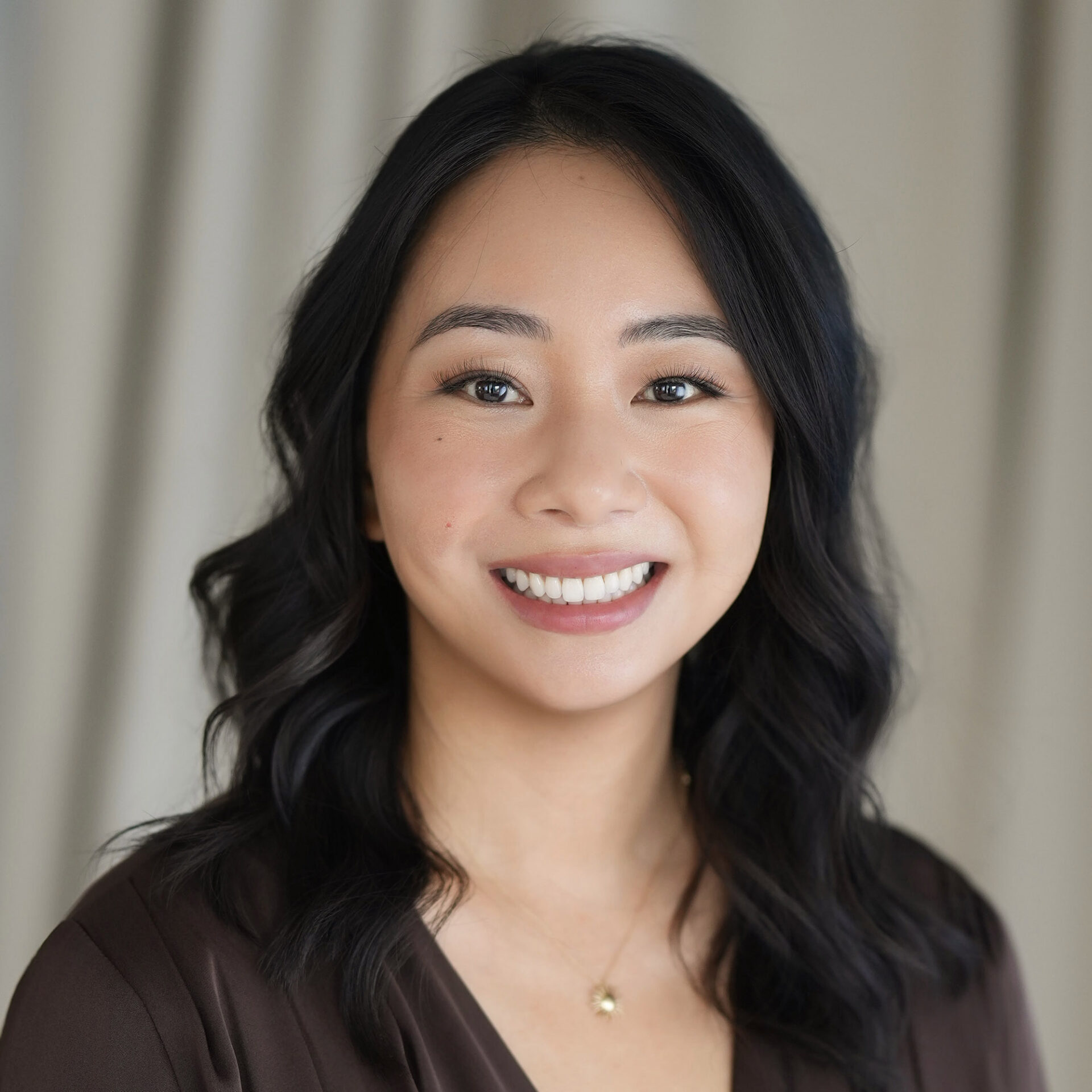
Dr. Mary Sun
2026-27 Fellow
Dr. Mary Sun is a final-year psychiatry resident in the Integrated Child Psychiatry Track at Brigham and Women’s Hospital/Harvard Medical School, a Public and Community Psychiatry Fellow at Case Western Reserve University School of Medicine, and a 2026-27 APA/APAF Vanguard Resident Fellow (SAMHSA Minority Fellowship Program). She has focused her clinical training on complex developmental trauma, family systems, and women’s mental health, with particular interests in cross-cultural psychiatry and health equity. Dr. Sun specializes in integrative psychotherapy with adolescents, minoritized adults, couples, and families, drawing on psychodynamic and psychoanalytic approaches, EMDR, EFT, ACT, and meaning-centered psychotherapy. She is a certified poetry therapist and a sex therapist in training, and founded and supervises a school-based poetry therapy elective for adolescents through Boston Children’s Hospital. She also co-teaches an undergraduate seminar on psychological development at Harvard College. As a Pathways Fellow, she is interested in bringing expressive and depth-oriented therapeutic approaches to work with young people affected by sexual harm. She will be mentored by Michelle Lockwood, PsyD.

Nayeli Valdez
2026-27 Fellow
Nayeli Valdez is a final-year MSW candidate at Boston College School of Social Work, specializing in Children, Youth & Families with a clinical focus on Latinx communities. She holds a B.A. from the University of Virginia, and her thesis on housing inequities sparked her interest in family and child well-being. Her clinical experience centers on school-based mental health, where she has worked directly with children and families navigating complex social and emotional challenges. She has also worked in youth programming, maternal health policy advocacy, and community engagement. This fall, she will continue her clinical training at Cambridge Health Alliance, in both a school-based health center and hospital setting. Nayeli is passionate about culturally responsive, trauma-informed care for bilingual, immigrant, and low-income children, youth, and families. As a Pathways Fellow, she is interested in examining how culturally and linguistically responsive approaches can improve the identification, assessment, and early clinical response to problematic sexual behaviors among immigrant and BIPOC children and adolescents She will be mentored by Damen Kelton, LICSW.
Recent Fellows
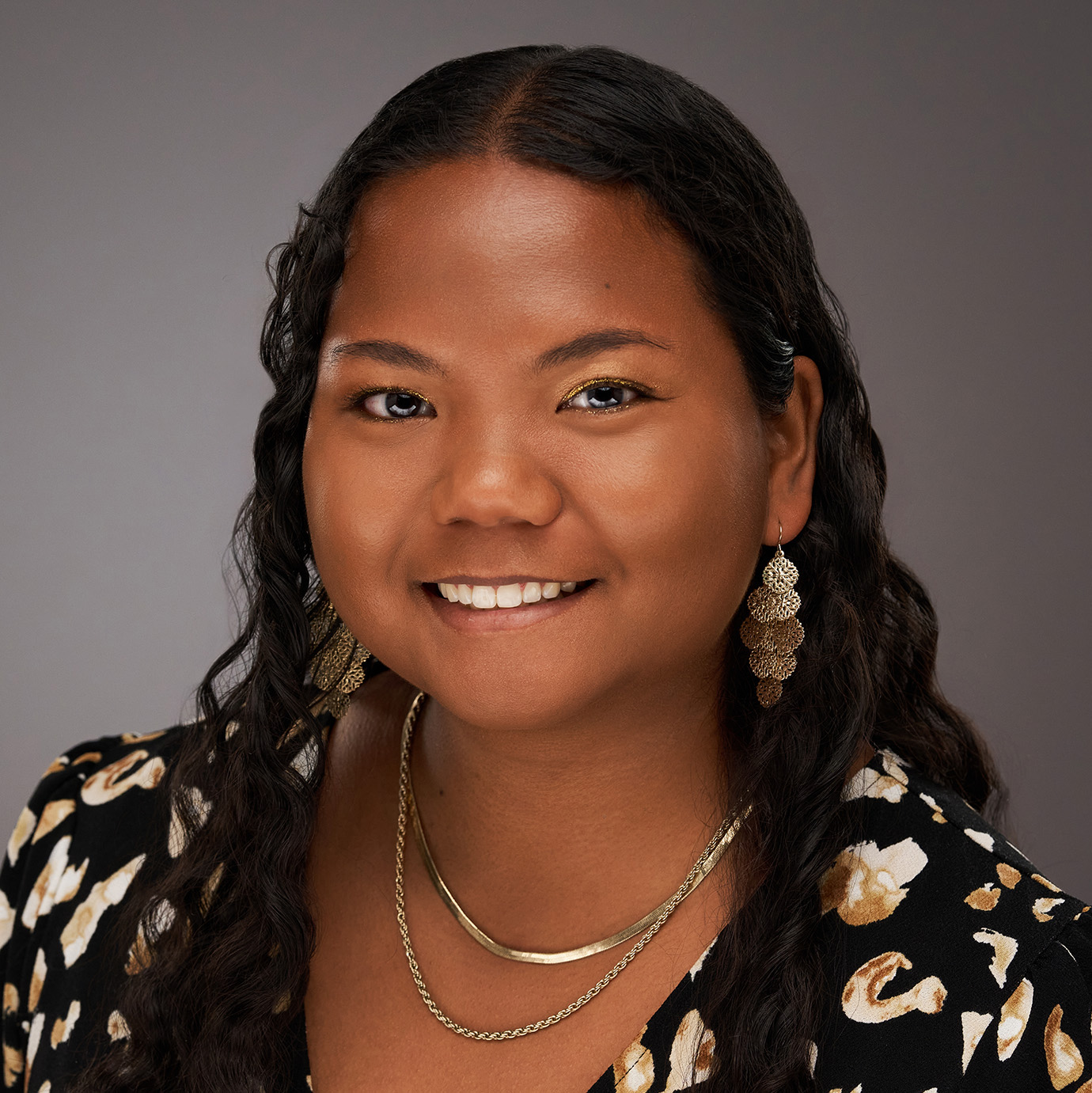
Claire Luebke, MSW
2025-26 Fellow
Pauquette Center for Psychological Services, Wisconsin
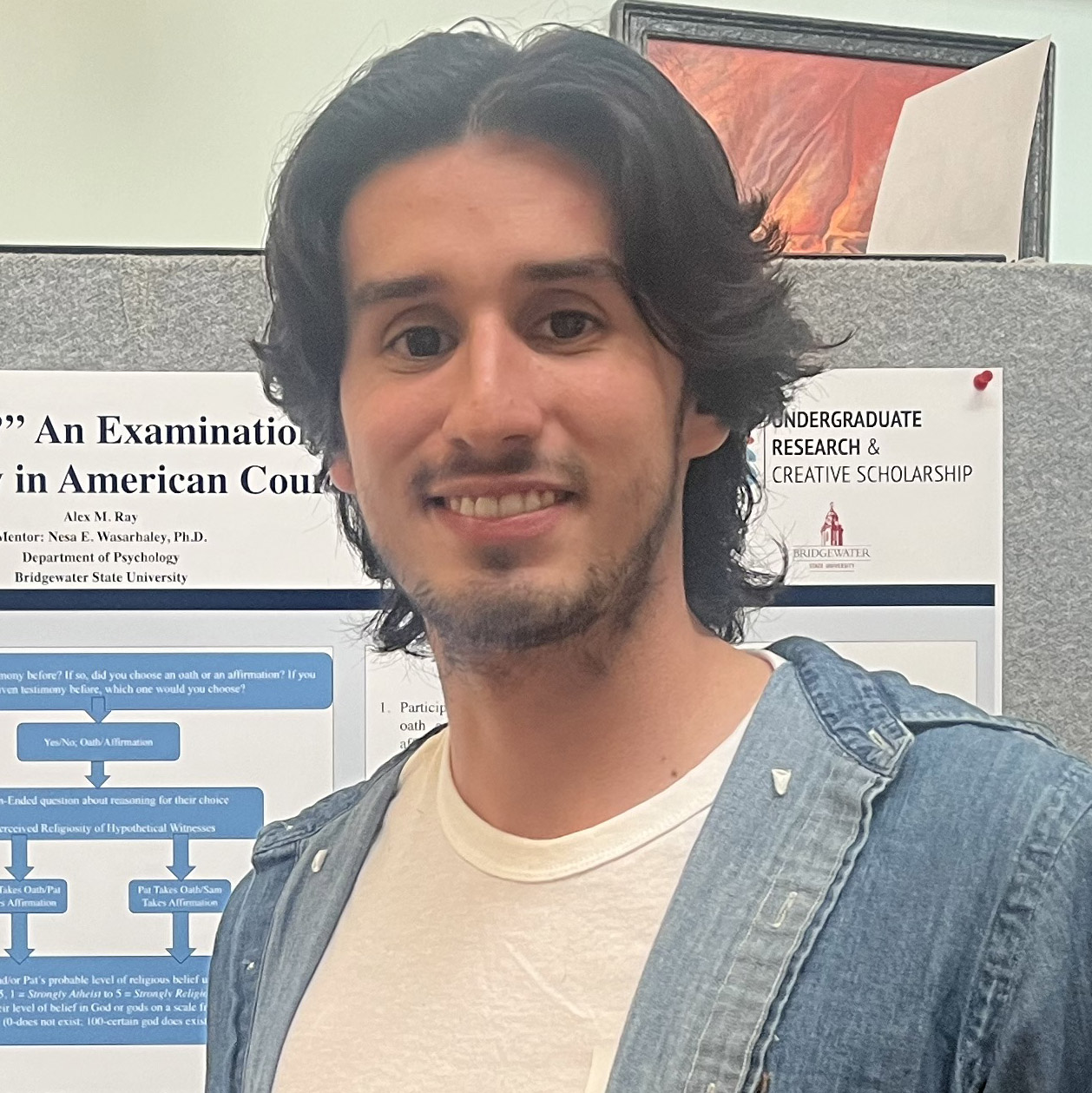
Alex M. Ray
2025-26 Fellow
PhD Candidate, University at Albany, State University of New York

Swathi Sunil
2025-26 Fellow
PsyD Candidate, William James College

Khumarii Rankins-Williams, M.Ed.
2024-25 Fellow
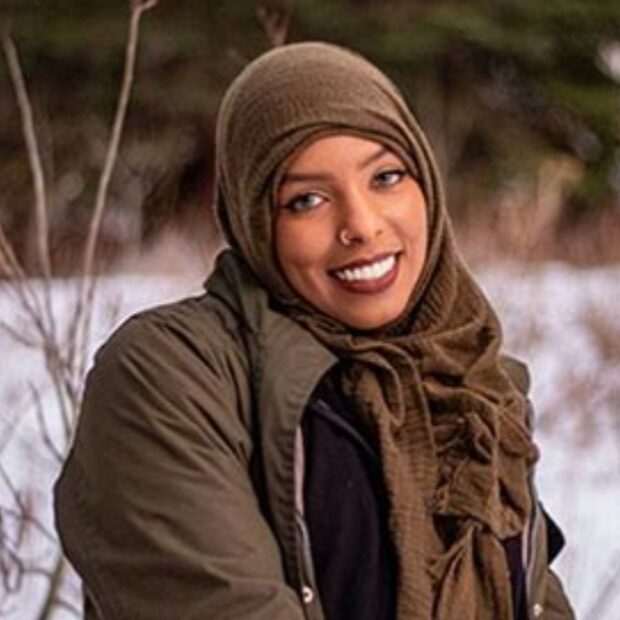
Libna Noor
2024-25 Fellow
Master’s Candidate, University of Utah
Past Fellow Experiences
“The mentorship and guidance provided by the fellowship has been foundational at this early stage of my career. For someone with plans of working within this niche area, I am also grateful for the fellowship connecting me with other professionals.”
“Being a MASOC fellow was such a rewarding experience. Being able to share space with an amazing group of people who are not only open to having difficult conversations but are also open to learning from one another and sharing their own experiences has contributed to my own professional and personal growth. I enjoyed learning more about how board functions and gaining a better understanding about the importance of policy work. I also loved having the opportunity to be involved in several different projects I was interested in. My experience was so positive that I decided to become a board member following the end of my fellowship.”
“The fellowship experience I had with MASOC was invaluable, both for my personal development and also for my professional training as a pediatrician. I have been able to have rewarding discussions with advocates, lawmakers, clinicians, and most humbling, the families impacted by PSB. All the board members were welcoming and provided some mentorship in some way. I would highly recommend this experience to anyone interested. I hope I use the knowledge that I acquired this year and spread awareness of PSB throughout the medical community to aid in understanding and assist in healing of families.”
“MASOC allowed me to further develop my presenting and public speaking skills and increased my professional development.”
Apply to MASOC's Pathways to the Profession Fellowship
Applications for the 2027-28 fellowship will open in spring 2027.